

AI in Video Editing: Industry Analysis (2025)
As of 2025, the integration of AI into editing software has intensified competition among industry leaders. Based on the search results, here’s an analysis of the AI capabilities of Adobe Premiere Pro (Sensei), DaVinci Resolve Neural Engine, Final Cut Pro, and other contenders, along with their leadership positions:
1. Adobe Premiere Pro (Sensei AI)
Key Strengths:
- Text-Based Editing: Allows users to edit videos by modifying transcripts, automatically detecting and removing filler words like “ums” and silences.
- Scene Detection: AI identifies scene changes and applies cuts, saving manual scanning time.
- Audio Enhancement: One-click noise reduction and audio quality improvement.
- Motion Tracking & Color Grading: Advanced tools like auto-ducking and colour look replication streamline professional workflows.
- Industry Recognition: Ranked as a leader in AI video editing software with high composite and CX scores in independent reviews.
Leadership Claim: Adobe Premiere Pro is widely regarded as the industry standard for professional editors. This is due to its comprehensive AI integration and continuous innovation, especially in complex post-production workflows.
2. Final Cut Pro
Key Strengths:
- Machine Learning for Object Tracking: Automatically detects faces and objects, syncing effects like titles and depth-of-field adjustments (e.g., iPhone Cinematic mode clips).
- Performance Optimization: Leverages Apple’s hardware-software synergy (M-series chips) for faster rendering and AI processing.
- User-Friendly AI Tools: Focuses on intuitive features like auto-reframing and smart organisation for creators prioritising ease of use.
Position: While powerful, Final Cut Pro’s AI capabilities are seen as more niche. They cater to Apple ecosystem users rather than offering the breadth of Adobe’s tools.
3. Wondershare Filmora (AI Copilot)
Key Strengths:
- AI Copilot Editing: Provides real-time suggestions for transitions, effects, and layout adjustments via natural language prompts.
- Batch Processing: Automates colour grading, audio sync, and subject removal across multiple clips.
- Accessibility: Tailored for beginners and small businesses, offering guided workflows and template-based editing.
Position: Filmora excels in democratising AI editing for non-professionals. However, it lacks the depth required for high-end production compared to Adobe.
4. DaVinci Resolve Neural Engine
While not explicitly detailed in the search results, DaVinci Resolve’s Neural Engine is known for:
- Auto Color Matching: AI analyses footage to apply consistent colour grading [citation:N/A].
- Face Recognition: Enhances skin tones and tracking in complex scenes [citation:N/A].
Limitation: The search results lack specific updates on DaVinci’s 2025 AI advancements. This suggests it may lag behind Adobe in visibility or innovation as of this date.
Emerging Contenders
- InVideo AI: Generates videos from text prompts, ideal for marketers.
- HeyGen: Specialises in AI avatars and voice cloning for automated content.
- CapCut: Offers free AI upscaling and noise reduction, popular among social media creators.
AI Leader Assessment
Adobe Premiere Pro emerges as the clear leader in 2025 due to its:
- Comprehensive Toolset: Combines professional-grade AI features (text-based editing, scene detection) with seamless integration into complex workflows.
- Industry Adoption: Dominates professional settings, from Hollywood to corporate studios.
- Continuous Innovation: Regular updates (e.g., GPT-4o integration) keep it ahead of competitors.
Final Cut Pro and Wondershare Filmora follow, serving distinct audiences (Apple loyalists and beginners, respectively). DaVinci Resolve remains a strong contender in colour grading, but lacks highlighted AI advancements in the provided data.
For specialised use cases like personalised video generation (CoPilot AI) or code-assisted editing (VS Code Copilot), niche tools lead their domains.
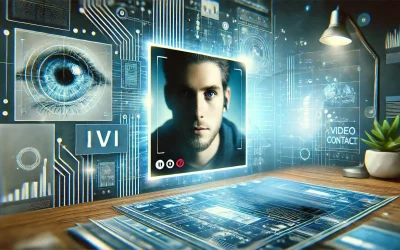
Eye contact is crucial for effective communication, especially in video calls where even a slight misalignment can make a big difference. The discussion around iVi brings up important points about whether it can truly enhance virtual interactions in real-world settings. While the device seems promising, its practicality and cost-effectiveness remain questionable. The conversation also highlights the broader challenge of making digital communication feel more personal and impactful. Will iVi revolutionize video calls, or are there simpler solutions that can achieve the same goal?
It’s fascinating how even the smallest misalignment in eye contact can impact virtual communication so significantly. The iVi device seems like a promising solution to bridge this gap, especially in fields like healthcare and education where human connection is crucial. However, the concerns about its learning curve and cost are valid and need to be addressed. Will this technology truly enhance our digital interactions, or are there simpler, more accessible alternatives? How do you think innovations like iVi will shape the future of remote communication? Recently, I came across a program for GPT-generated text in Russian. The cool part is that it runs locally on your own computer, and the output is actually unique and quite decent. By the way, I hope the content on your site isn’t AI-generated?